
The Hidden Costs of Ignoring Minor Roof Damage
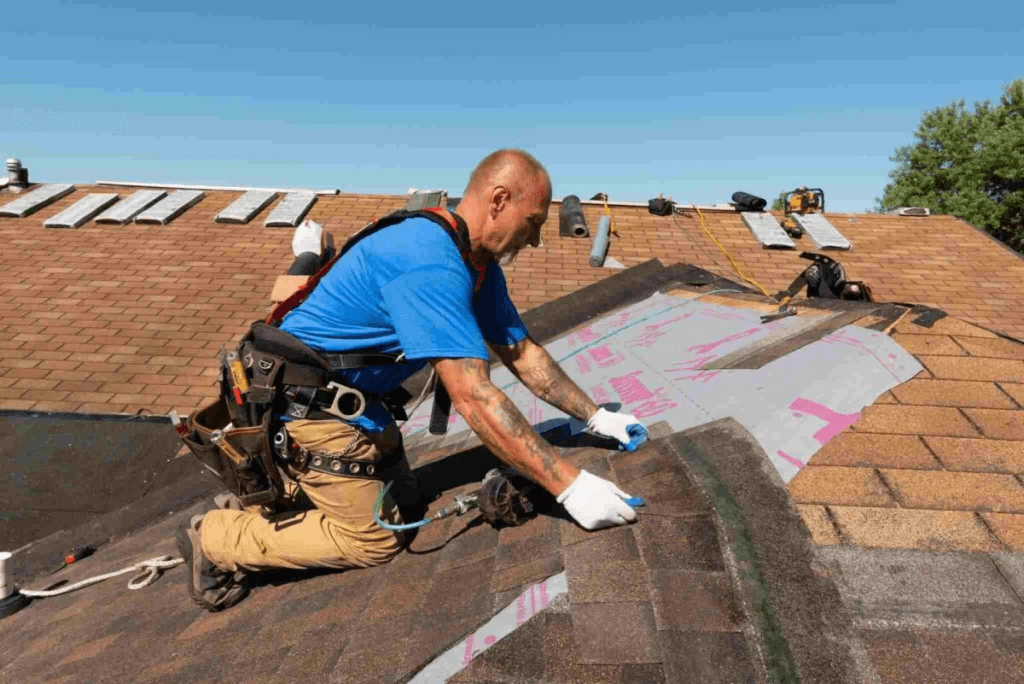
Most homeowners don’t think twice about their roof until something goes wrong. A small leak, a missing shingle, or a bit of discoloration might seem harmless at first glance. But what many people underestimate is how quickly minor roofing issues can evolve into serious, expensive problems.
Taking a proactive approach to roof care isn’t just about preventing inconvenience—it’s about protecting your home’s structure, value, and long-term safety. Understanding the hidden costs of ignoring early warning signs can help homeowners make smarter decisions before damage spirals out of control.
Why Small Roofing Issues Rarely Stay Small
Roofing systems are designed to withstand the elements, but they are not immune to wear and tear. Even high-quality materials degrade over time due to sun exposure, temperature changes, and severe weather events.
What starts as a minor issue—like a cracked shingle or loose flashing—can quickly escalate. Moisture is the biggest threat. Once water finds a way beneath the surface, it doesn’t just sit still. It spreads, weakens materials, and creates conditions for further deterioration.
Over time, that small issue can compromise:
- Roof decking
- Insulation
- Interior ceilings and walls
- Structural supports
By the time visible damage appears inside the home, the underlying problem has often been developing for much longer.
The Real Financial Impact of Delayed Repairs
One of the most overlooked aspects of roof maintenance is how much money can be saved by acting early. Homeowners sometimes delay repairs to avoid short-term costs, but this often leads to significantly higher expenses later.
Here’s how those costs can add up:
Escalating Repair Complexity
A simple fix—like replacing a few shingles—may cost relatively little. But if water damage spreads, repairs may involve multiple layers of the roofing system, including underlayment and decking.
Interior Damage
Leaks don’t just affect the roof. Water intrusion can damage ceilings, drywall, flooring, and even electrical systems. These repairs can easily surpass the original cost of fixing the roof itself.
Mold and Moisture Issues
Trapped moisture creates the perfect environment for mold growth. Addressing mold isn’t just expensive—it can also disrupt daily life and require specialized remediation.
Reduced Energy Efficiency
Damaged roofing can affect insulation performance, making it harder to regulate indoor temperatures. This often leads to higher energy bills over time.
Common Warning Signs You Shouldn’t Ignore
Recognizing early signs of roof damage can make all the difference. Many issues are visible if you know what to look for, and catching them early can prevent costly repairs.
Keep an eye out for:
- Missing, curled, or cracked shingles
- Dark streaks or patches on the roof surface
- Granules accumulating in gutters
- Sagging areas or uneven roof lines
- Water stains on ceilings or walls
- Increased energy bills without clear explanation
These signs don’t always mean immediate failure, but they do indicate that your roof needs attention.
How Regular Inspections Save Money Over Time
Routine inspections are one of the most effective ways to extend the life of your roof. They allow homeowners to identify and address issues before they become major concerns.
A solid inspection routine typically includes:
- Seasonal visual checks
Look for visible damage after storms or extreme weather. - Professional evaluations
Roofing professionals can detect subtle issues that aren’t obvious from the ground. - Preventive maintenance
Small repairs and upkeep can significantly extend the lifespan of your roof.
For homeowners who want to better understand what a comprehensive roofing evaluation involves, visiting the Ideal Precision Roofing official site can provide helpful insight into inspection, repair, and maintenance approaches.
The Role of Weather in Accelerating Damage
Weather plays a major role in how quickly roofing problems develop. In many regions, roofs face a combination of harsh conditions throughout the year.
Wind
Strong winds can lift shingles, loosen flashing, and create entry points for water. Even moderate winds can weaken already compromised areas.
Rain
Heavy or prolonged rain increases the risk of water infiltration, especially if drainage systems are clogged or damaged.
Heat and Sun Exposure
UV rays can dry out roofing materials, making them brittle and more prone to cracking or breaking.
Temperature Fluctuations
Repeated expansion and contraction can weaken seals and joints, leading to gradual deterioration.
Understanding how these factors affect your roof can help you anticipate potential issues and act before they worsen.
Preventive Steps Every Homeowner Can Take
You don’t need to be a roofing expert to protect your home. A few simple habits can go a long way in preventing major damage.
Keep Gutters Clean
Clogged gutters can cause water to back up onto the roof, increasing the risk of leaks and structural damage.
Trim Nearby Trees
Overhanging branches can scrape roofing materials and drop debris that traps moisture.
Address Issues Promptly
If you notice a problem, don’t wait. Even minor repairs can prevent significant damage.
Schedule Regular Checkups
Professional inspections provide peace of mind and help catch issues early.
Long-Term Benefits of Staying Proactive
When homeowners stay ahead of roofing issues, they gain more than just cost savings. A well-maintained roof contributes to overall home value, improves energy efficiency, and reduces the likelihood of unexpected disruptions.
Proactive maintenance also allows for better planning. Instead of reacting to emergencies, homeowners can schedule repairs or replacements at convenient times and make informed decisions about materials and upgrades.
Conclusion
Ignoring minor roof damage might seem like a way to save money in the short term, but it often leads to greater expenses and complications down the line. Small issues rarely resolve themselves—instead, they tend to grow into larger, more costly problems.
By paying attention to early warning signs, investing in routine inspections, and addressing repairs promptly, homeowners can extend the life of their roof and protect their entire property. In the end, a proactive approach isn’t just practical—it’s essential for long-term peace of mind.