
Precision Machining and the Electrification Era: Why Brass and Copper Components Are More Critical Than Ever
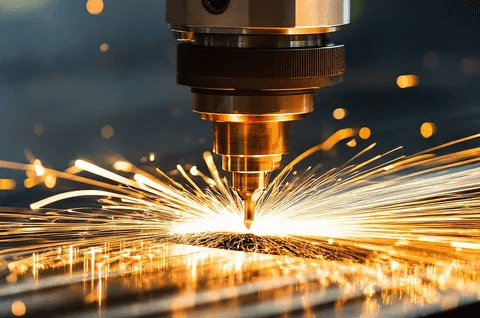
The shift toward electrification is reshaping manufacturing in ways that extend far beyond the automotive industry. Renewable energy infrastructure, data centers, telecommunications networks, medical devices, and industrial automation all depend on components that must conduct electricity reliably, resist corrosion, and maintain precise dimensions over years of service. Behind this demand lies a family of materials that has been essential for centuries but is now more strategically important than ever: brass and copper alloys.
These materials are not interchangeable with aluminum or steel. Their unique combination of electrical and thermal conductivity, machinability, and corrosion resistance makes them irreplaceable in applications ranging from battery connectors and busbars to fluid fittings and sensor housings. And as global supply chains regionalize and production volumes increase, the precision machining of brass and copper has become a critical capability that separates reliable manufacturers from the rest.
Industries Driving Demand for Brass and Copper Components
The electrification of transportation is the most visible driver of demand. Electric vehicles contain significantly more copper than their internal combustion counterparts—wiring, busbars, motor windings, and battery connections all rely on its exceptional conductivity. A typical electric vehicle contains approximately 80 kilograms of copper, compared to about 23 kilograms in a conventional car. This difference reflects the extensive electrical systems required for battery management, propulsion, and thermal regulation.
Brass components appear throughout EV powertrains and thermal management systems. Sensor housings, valve bodies, and connectors must withstand temperature extremes and vibration while maintaining dimensional stability. As vehicle architectures evolve toward higher voltage systems, the precision requirements for these components continue to tighten.
The renewable energy sector adds another layer of demand. Solar installations, wind turbines, and energy storage systems all require extensive electrical infrastructure. Copper busbars, terminal blocks, and grounding components must be machined to exacting standards to ensure safe, reliable operation over decades. Data centers, which power the digital economy, similarly depend on copper and brass components for power distribution, cooling systems, and network infrastructure.
Telecommunications and 5G deployment represent a third major demand driver. RF connectors, antenna components, and signal transmission hardware all rely on the conductive properties of copper and brass. The trend toward higher frequencies has made surface finish and dimensional accuracy even more critical—a poorly machined connector can introduce signal loss or intermittent failure.
Medical devices, while a smaller volume market, demand the highest levels of precision. Brass and copper components appear in diagnostic equipment, surgical instruments, and fluid handling systems. Biocompatibility, corrosion resistance, and dimensional accuracy are non-negotiable. Suppliers serving this sector must maintain rigorous quality systems and full material traceability.
The Precision Machining Challenge of Copper and Brass
Despite their reputation for good machinability, copper and brass present distinct challenges that separate experienced shops from the rest. Copper is gummy—it tends to smear rather than shear cleanly, producing long, stringy chips that can wrap around tools and interfere with automated bar feeders. If cutting parameters are not precisely dialed in, copper can develop built-up edge, where material welds itself to the cutting tool, destroying surface finish and dimensional accuracy.
Brass is more forgiving but still demands sharp tooling and effective chip evacuation. Free-cutting brass grades like C36000 are widely used for high-volume screw machining, but complex parts require processes that can maintain consistent surface finishes and tight tolerances. A poorly machined brass fitting can leak. A copper RF connector with a rough surface can cause signal loss.
Experienced shops treat these materials with respect. They have documented tooling strategies, chip-breaking geometries, and coolant delivery methods that work reliably across production runs. They understand that different brass and copper grades behave differently and adjust their processes accordingly. This accumulated knowledge translates directly to quality and consistency.
Why Swiss-Type Turning Excels for Brass and Copper Components
Swiss-type turning, originally developed for watchmaking, has become the technology of choice for complex, high-tolerance brass and copper components. Unlike conventional lathes where the workpiece extends unsupported from the chuck, Swiss machines feed material through a guide bushing positioned immediately next to the cutting tool. This design eliminates deflection and vibration, making it possible to hold tolerances that would otherwise be impossible on long, slender parts.
For brass and copper, this mechanical stability is particularly valuable. High-pressure coolant systems flush chips away before they can cause trouble. The ability to run multiple operations—turning, milling, drilling, and threading—in a single setup reduces handling errors and ensures that critical features stay aligned. For components like electrical connectors, fluid fittings, and sensor housings, this integration is essential.
Modern Swiss machining centers with five to nine axes can produce complete parts from bar stock in a single cycle. Automated bar feeders enable lights-out production, reducing labor costs and increasing throughput. For high-volume orders, this translates to consistent quality at competitive prices.
The Importance of Quality Infrastructure
In regulated industries, quality is not just about inspection—it is about documentation. Medical device manufacturers, aerospace suppliers, and automotive OEMs require full material traceability from incoming certification to finished component. Every batch of brass or copper must be verified against its mill certificate, and every part must be traceable back to that original material.
Shops that serve these industries maintain rigorous quality systems aligned with ISO standards. They perform in-process inspections, track statistical process control data, and provide first-article inspection reports upon request. For buyers, working with a certified supplier reduces risk and simplifies regulatory compliance.
A partner with expertise in precision machining brass and copper parts brings not just equipment but the quality infrastructure that critical applications demand. They understand that documentation is not optional—it is the foundation of trust in regulated industries.
Looking Ahead
The demand for precision-machined brass and copper components will continue to grow as electrification, renewable energy, telecommunications, and medical technology expand. As components become more complex and tolerances tighten, the value of specialized process knowledge will only increase. The shops that have invested in Swiss-type turning, documented tooling strategies, and skilled workforces will capture the most demanding programs.
A reliable source for high-quality brass and copper components brings not just equipment but decades of accumulated knowledge about how these materials behave under cutting forces. That knowledge translates directly to consistency, reliability, and peace of mind. In an era where every component matters, that distinction has never been more important.