
Electrical training in Birmingham: a practical path with Elec Training
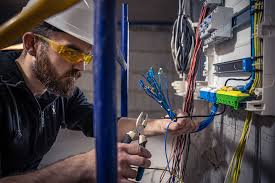
If you are planning a career in the electrical trade, start with national electrical training to build core knowledge, then compare dates and workshop capacity for Electrician courses Birmingham so you can train close to home. Keeping both links at the top helps search engines, and it helps you, because you see the national pathway and the Birmingham delivery side by side. Elec Training focuses on clear steps, consistent practice, and tidy outcomes that pass inspection.
Elec Training delivers tools-in-hand learning that turns safe methods into habits. You will learn why a design choice is made, then you will practice it until it feels natural. That is how confidence grows, and it is how new electricians become trusted quickly. If you want to save the address for later, the site is here in plain text, www.elec.training.
What electrical training actually covers
A good programme balances design knowledge with supervised practice. You learn why circuits are laid out the way they are, then you do the work again and again until the process is second nature.
- Principles and design: Ohm’s Law, voltage drop, fault current, earthing and bonding, protective device selection, R1 plus R2 and Zs targets, and how these numbers drive cable and breaker choices.
- Installation skills: Accurate set out, containment that includes conduit, trunking and tray, neat terminations and glanding, consumer unit assembly, and board dressing that remains serviceable.
- Inspection and testing: Continuity, insulation resistance, polarity, RCD testing, earth fault loop impedance, prospective fault current, plus clean certificates that stand up to audit.
- Safety habits: Risk assessments, method statements, safe isolation with prove dead, working at height, manual handling, and dynamic risk decisions when conditions change.
- Professional practice: Reading drawings, sequencing work so other trades are not blocked, writing clear job notes, and handing over in a way that reduces callbacks.
When electrical training links every calculation to a practical choice on the bench, understanding replaces guesswork.
Why choose Birmingham for hands-on learning
Training near where you intend to work saves time, and it builds useful employer contacts while you learn. Birmingham’s mix of new build housing, commercial refurbishments, and light industrial jobs means you may wire a ring final one day and dress a small three phase board the next. Elec Training Birmingham mirrors these realities in the workshop, so the boards, containment, and instruments feel familiar on site.
What to expect in Birmingham workshops
- Purpose built bays: Domestic and light commercial rigs, three phase distribution, EV charger mock ups, and smart control demos that make segregation and bend radii choices real.
- Portfolio friendly workflow: Each exercise maps to an outcome, for example, a full ring final verification with recorded R1, Rn and R2 values, labelled photos, and dates that align to assessment criteria.
- Timed rehearsals: Installs and test sequences under a clock, with clear feedback on sequencing, labeling, and documentation accuracy.
- Employer links: Introductions to regional contractors and FM providers, so training can turn into paid site days faster.
Routes into the trade that actually work
There is many routes into electrical work, choose the one that fits your timeline and starting point.
- Apprenticeship: Earn while you learn over three to four years, split weeks between site and classroom, gather evidence on real jobs, and complete a practical end point assessment.
- Intensive classroom plus workshop: Ideal for career changers or learners with a Level 2 footing. You compress theory and bay time into focused blocks, use mock assessments to build speed, and document everything for your portfolio.
- Blended learning: Online modules paired with scheduled in-centre practical days. You keep momentum between workshop sessions and arrive prepared, so tool time is used well.
Whichever path you choose, the destination is the same, safe and consistent installation and testing to current standards.
Make numbers a habit before you pull cable
You do not need advanced maths to be reliable, but you do need repeatable steps. Cable sizing, volt drop, fault current, and protective coordination live on a handful of simple equations. Strong electrical training builds short calculation drills into each day, so you get quick at the sequence and you see how numbers support design choices. When you can explain why a 6 mm² was chosen instead of a 4 mm², supervisors trust your judgment.
Test as you go, not only at the end
Leaving testing to the final hour is how mistakes hide. Good training teaches continuity before closing a circuit, polarity before energisation, loop tests with expected values in mind, and RCD checks recorded with time and context. When testing becomes muscle memory, you catch problems while they are cheap to fix, and your certificates read as competent and honest.
Sequence the work so jobs finish on programme
Mark out, fix containment straight, route and secure without twists, dress conductors neatly, label clearly, then test methodically. Sequencing reduces rework and it shows up in your time sheets. Tutors coach the details that matter, bend radius, clip choice, sleeve lengths, and conductor preparation that preserves copper and future serviceability.
Inspection and testing, the hinge skill
Installation quality matters, however verification is what proves it. A strong inspection and testing habit reduces callbacks, keeps clients safe, and protects your reputation. Elec Training coaches the full flow, visual inspection, dead tests, live tests, then documentation. You will learn to set expected values before you press a button, which is the fastest way to find faults logically.
Smart systems are now everyday work
Many Birmingham projects blend power with low voltage data, from connected lighting to small automation panels. You do not need to be a network engineer, but you must route and segregate data cleanly, keep bend radii within spec, and avoid induced noise by planning shared routes carefully. Demo rigs make these choices visible, so your first diagnosis on site becomes logical rather than stressful.
Build a portfolio that reads as competent and honest
Assessors and hiring managers want traceable evidence. Aim for:
- Variety: Lighting and power, special locations, containment changes of direction, and three phase where available.
- Neatness: Straight containment, undamaged insulation, clean glanding, and boards that are dressed for maintenance.
- Traceability: Test sheets that reconcile logically, labelled photos that show set out, first fix, second fix, and final test.
- Reflection: One or two lines on what went well and what you would change next time.
When someone can follow your thinking from drawing to test result, approvals and job offers arrive faster.
How to assess any provider without guesswork
Ask five questions before you book an electrician course.
- Do tutors have recent site experience, and can they explain choices in plain English.
- Are the bays realistic, with tight voids, awkward bends, and mixed containment, not just bench top rigs.
- Will you complete multiple timed installs with frank feedback and the chance to repeat.
- How will the centre help you map evidence cleanly to assessment criteria.
- Which local employers visit, and how many learners convert training into paid site days each month.
Clear, specific answers are a strong sign your time and money will produce practical value.
A simple five day practice plan
Day one, rehearse safe isolation, then run it on a training rig until it feels natural.
Day two, mark out and install trunking with changes of direction to tolerance.
Day three, wire a small board, dress conductors, and label to a neat standard.
Day four, complete a full inspection and testing run, recording values that add up and make sense.
Day five, repeat the whole flow under time pressure, then review what slowed you down and fix just one thing. Simple plans work because they are easy to repeat.
If you want a national overview with flexible scheduling, compare options through electrical training today. If you prefer to train close to home and tap regional employer links, check current intakes for Electrician courses Birmingham and speak with the team about workshop availability and portfolio requirements. Elec Training will help you choose the right entry point, set a realistic timetable, and keep you moving until the work feels natural. Elec Training is set up for practical people who value safe, neat work, and when you need extra rehearsal time, the wider Elec Training Birmingham network can provide additional bays and timed sessions.
Elec Training believes steady practice, clean documentation, and safe habits beat shortcuts. When you are ready to build a respected career, the Birmingham pathway is ready too. Save the site for later if you like, the address again is www.elec.training.
References
Health and Safety Executive, Electrical safety at work, legal duties and guidance. https://www.hse.gov.uk/electricity/
Institute for Apprenticeships and Technical Education, Installation and Maintenance Electrician, level 3 standard, knowledge and skills. https://www.instituteforapprenticeships.org/apprenticeship-standards/installation-and-maintenance-electrician-v1-3/