
Berita Platforms You Can Trust in 2025
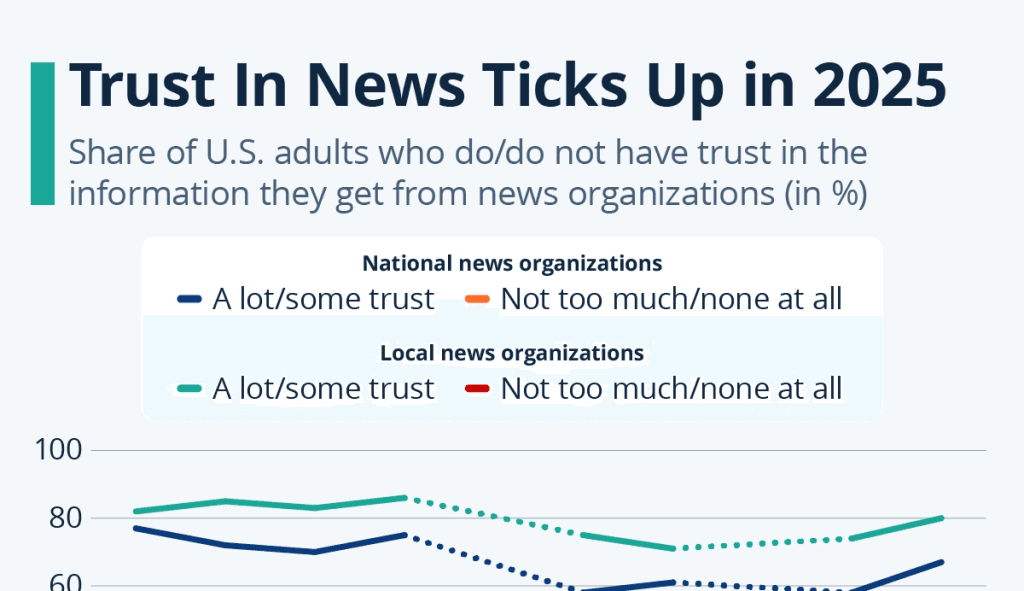
In 2025, finding reliable news sources has become more crucial than ever. With the rapid spread of misinformation, deepfakes, and biased content across social media and digital channels, discerning what is trustworthy is essential for staying informed. Trust in media varies globally, but some platforms continue to stand out for their transparency, integrity, and consistent reporting. This article explores what makes a news platform reliable, current trends in trusted media, and practical ways to identify platforms you can rely on berita.
Key Characteristics of Trustworthy News Platforms
Before highlighting specific platforms, it is important to understand the qualities that make news outlets dependable. These traits help readers identify sources that prioritize factual reporting over sensationalism:
- Editorial Independence
Platforms that maintain separation between news reporting and editorial opinions are more likely to present information without undue political or commercial influence. - Transparency and Accountability
Trustworthy outlets clearly cite sources, explain their fact-checking methods, and openly correct mistakes. This transparency builds credibility over time. - Consistent Accuracy
Reliable platforms consistently provide well-researched reporting, including investigative journalism and follow-ups. They do not rely solely on clickbait or viral stories. - Verification and Fact-Checking
Effective platforms employ robust verification methods, including internal fact-checking teams or partnerships with independent verification organizations. - User Empowerment and Media Literacy
High-quality platforms often guide readers on how to verify information, encouraging critical thinking rather than passive consumption. - Technology Safeguards
In 2025, dealing with AI-generated content and manipulated media is essential. Trustworthy platforms use technology to detect misinformation and flag content appropriately.
Trends in Trusted Media in 2025
Recent studies indicate how audiences are choosing news sources today:
- A large majority of adults globally are seeking news from sources they consider trustworthy.
- Traditional media outlets, including legacy newspapers and public broadcasters, often enjoy higher credibility than purely digital or social media-based sources.
- Local news organizations continue to be highly trusted because they provide context and reporting relevant to specific communities.
- Social media is approached with caution, as users are increasingly aware of the potential for misinformation.
These trends suggest that even in a digital-first world, journalistic integrity, transparency, and local relevance remain key to maintaining trust.
Examples of Trustworthy News Platforms
While no platform is perfect, some types of outlets consistently demonstrate reliability:
- Public Broadcasters and Legacy Media: These organizations often have rigorous editorial guidelines and fact-checking standards. They aim for impartial reporting and are less dependent on sensationalist advertising.
- Global News Agencies: Agencies that provide content to other outlets, such as large international wire services, are known for fact-based reporting. Their content is widely reused, so maintaining accuracy is essential.
- Local and Regional News: Smaller, community-focused outlets often have a stronger connection to on-the-ground realities and deliver reporting that is directly relevant to readers’ lives.
- Verification-Focused Entities: Some platforms specialize in fact-checking and verification. They help counter misinformation and reinforce the credibility of the wider news ecosystem.
These types of platforms tend to perform well in independent surveys and are widely recognized as trustworthy sources.
Challenges for Trusted Platforms
Even reliable news organizations face challenges:
- Ownership and Funding Bias: Editorial decisions may be influenced by sponsors, political affiliations, or ownership interests. Readers must distinguish between news and opinion sections.
- Speed Versus Accuracy: The demand for rapid reporting can compromise fact-checking and lead to mistakes, though transparent corrections can mitigate these risks.
- Misinformation and Deepfakes: Advanced AI tools make content manipulation easier. Even trusted outlets can be targeted or misled if they do not have robust verification processes.
- Algorithmic Bias and Filter Bubbles: Personalized news feeds may reinforce pre-existing beliefs, making it harder to encounter diverse perspectives.
- Economic Pressures: Declining advertising revenue and reliance on subscriptions may push some outlets toward sensational headlines to maintain financial stability.
How to Identify News You Can Trust
Readers themselves play a critical role in identifying reliable news. Some tips include:
- Cross-Check Multiple Sources: If several reputable platforms report the same story, it is more likely to be accurate.
- Check for Transparency: Look for clear sourcing, explanations of methodology, and evidence supporting claims.
- Observe Corrections: Trustworthy outlets issue corrections when errors occur. A visible corrections policy is a good sign of accountability.
- Distinguish News from Opinion: Opinion and analysis pieces are valuable, but they are not the same as factual reporting.
- Be Wary of Sensational Headlines: Headlines designed to provoke clicks may misrepresent the story’s facts.
- Utilize Verification Tools: Fact-checking services and verification units can help confirm the authenticity of news stories.
- Recognize Personal Biases: Avoid relying solely on sources that align with your beliefs; exposure to diverse viewpoints improves critical judgment.
Looking Ahead: Trusted News in 2025 and Beyond
As news consumption evolves, several developments are shaping trustworthiness:
- AI and Verification Tools: Advanced detection systems are being used to identify manipulated content and verify sources.
- Subscription and Membership Models: These models reduce reliance on sensationalist ad revenue, allowing outlets to focus on accuracy.
- Regulation and Industry Standards: Ethical codes and self-regulation frameworks are encouraging transparency and accountability.
- Customizable News Feeds: Platforms are allowing readers to choose preferred sources, enhancing exposure to credible reporting.
- Media Literacy Education: Education initiatives are teaching audiences to critically evaluate news, particularly younger generations consuming content via social media.
Conclusion
In 2025, trusted news platforms are more vital than ever. While the landscape is crowded with misinformation, platforms that emphasize editorial integrity, transparency, accountability, and verification stand out. By reading critically, cross-checking sources, and understanding the characteristics of reliable news, readers can navigate the digital world with confidence. Trustworthy journalism not only informs but empowers audiences to engage thoughtfully with the world.